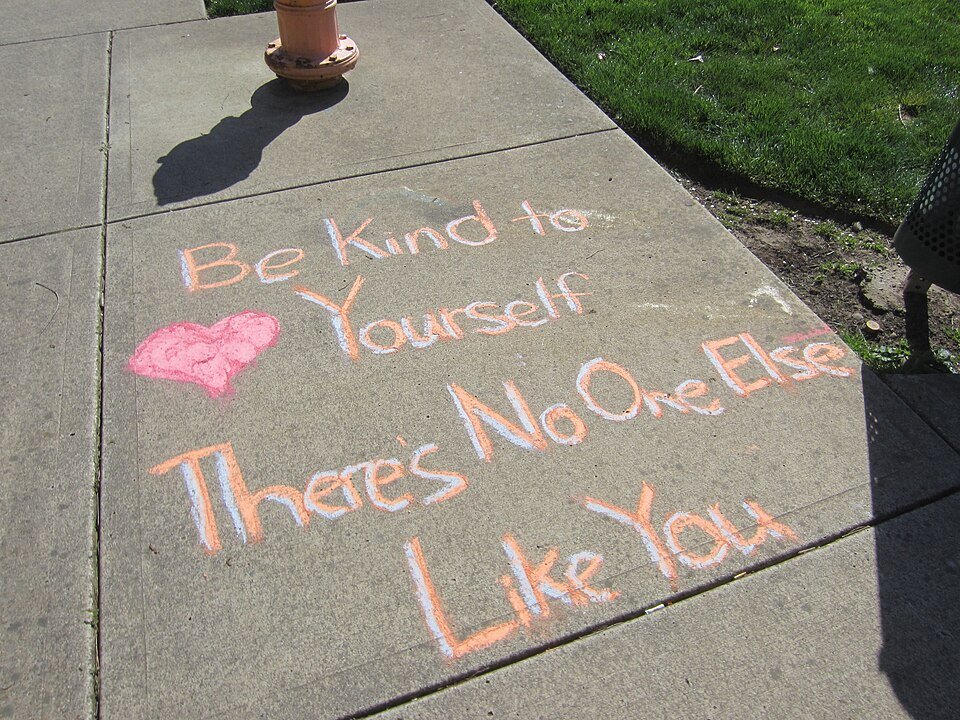
Learning to Receive Care, Not Just Give It
Death care professionals are experts at holding others through grief—but often struggle when it’s their turn to be supported. This piece explores why receiving care feels so difficult, and why it matters more than we think
Finding Meaning Without Losing Yourself
In death care, meaning is everywhere—but so is the quiet risk of losing yourself in service. This is about finding purpose without disappearing.

When Compassion Fatigue Looks Like Numbness
Compassion fatigue isn’t always loud. Sometimes it arrives quietly—when you stop feeling anything at all. Even for professionals, numbness can be a sign of deep emotional overload.

Grief Isn’t Linear — Even for Professionals
Funeral professionals are often expected to understand grief better than anyone else. But knowledge doesn’t make loss predictable. Grief isn’t linear—even for those who walk alongside it every day.

When the Grief Follows You Home
Grief doesn’t always stay where it belongs. Sometimes it follows you home, sits quietly at your kitchen table, and waits until the house is still before it speaks.

The Quiet Burnout No One Sees in Death Care
Burnout in death care doesn’t look like collapse—it looks like showing up anyway. Funeral professionals often carry exhaustion silently, balancing compassion, responsibility, and grief without room to rest.
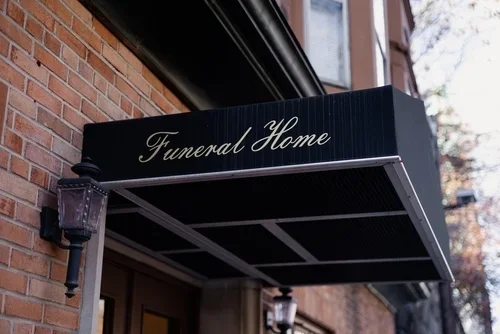
How Funeral Directors Cope with Grief Themselves
Funeral directors are often described as calm, composed, and steady—especially in moments when others feel anything but.